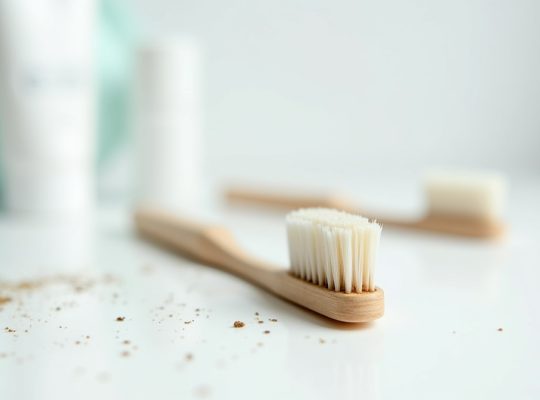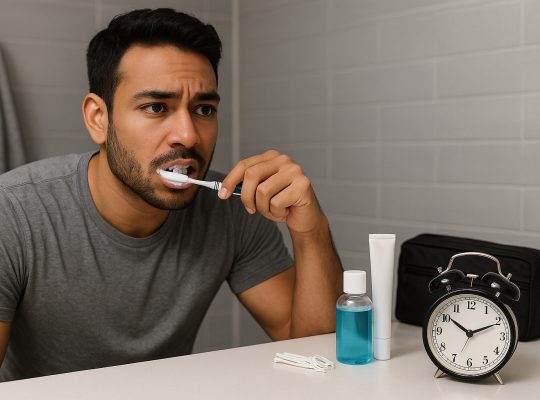
Good oral health is about more than a bright smile. It is a cornerstone of everyday wellbeing, quietly shaping how you feel, how you move through your day, and how you relate to others. At NZDHA, we believe that small daily habits and smart choices can protect your mouth and boost your overall quality of life. In this article we unpack the ways oral health touches mental health, heart and brain health, nutrition, and social confidence, plus practical steps you can take starting today.
The mind and mouth connection: why oral health matters for mental wellbeing
Our mouths do more than chew and speak. They’re a window into our overall health and a driver of how we feel. Research increasingly shows that poor oral health can amplify stress, contribute to chronic pain, and erode self confidence, while a healthy mouth can support mood, energy, and social functioning.
How pain and discomfort affect mood
- Ongoing toothache or gum pain can cause irritability, poor sleep, and reduced concentration.
- Chronic discomfort can lower resilience to stress and make daily tasks feel harder.
- Even mild dental pain can worsen mood in sensitive individuals or those with preexisting anxiety or depression.
Self esteem, social life and happiness
- A healthy smile is often linked to greater self confidence and willingness to engage in social activities.
- People who feel self conscious about their teeth may skip smiling, speaking clearly, or attending events.
- Positive facial expressions, including smiles, can feed back into mood and cortisol levels, creating a small but meaningful mood boost.
What you can do
- Schedule regular dental checkups to catch problems early.
- Address pain promptly with professional guidance rather than waiting for it to worsen.
- Practice deliberate smile confidence: practice speaking slowly, making eye contact, and smiling when appropriate.
The body and mouth: systemic health connections that matter
Oral health and body health are deeply intertwined. Inflammation, bacteria, and changes in saliva can influence heart, metabolic, and immune system function. Understanding these links helps you protect both your mouth and your broader health.
Inflammation and chronic disease
- Gum disease is not just a dental issue; it reflects and can contribute to systemic inflammation.
- Chronic inflammation is linked with higher risks for heart disease, type 2 diabetes, and some neurological conditions.
- Keeping gums healthy can support the body’s inflammatory balance over time.
Heart health and stroke risk
- Emerging evidence connects periodontal health with cardiovascular risk factors.
- While brushing and flossing alone do not prevent heart disease, oral hygiene is an important piece of a heart healthy lifestyle that includes regular physical activity, a balanced diet, and no smoking.
Diabetes and oral health
- Diabetes raises the risk of gum disease, which can in turn affect blood sugar control.
- Good oral hygiene supports better glycemic management and may reduce the risk of complications.
Pregnancy and fetal wellbeing
- Pregnancy changes the mouth, including gum sensitivity and risk of gingivitis.
- Maintaining oral health during pregnancy supports maternal comfort and may influence pregnancy outcomes.
What you can do
- If you have a chronic condition like diabetes or heart disease, talk with both your dentist and physician about integrated care.
- Prioritize gum health with twice daily brushing, daily flossing, and regular professional cleanings.
- If you notice changes in gum color, swelling, or new sensitivity, seek dental care promptly.
Nutrition, the oral microbiome, and oral health
What you eat and drink shapes the ecosystem in your mouth. The balance of bacteria, the mineral content of your saliva, and the strength of your enamel all respond to daily choices.
Sugars, acids and enamel erosion
- Frequent consumption of sugary drinks and snacks feeds acid producing bacteria.
- Acid attacks weaken enamel and can lead to decay or sensitivity.
- Sipping water between meals and limiting sugary items helps protect enamel.
The role of saliva
- Saliva is a natural shield that cleanses, buffers acids, and starts digestion.
- Dry mouth, common with certain medications or aging, increases the risk of cavities and infections.
- Hydration and sugar free options help keep saliva flowing and balanced.
The microbiome and overall wellbeing
- A diverse, balanced oral microbiome supports digestion and may influence immune function.
- Probiotic strategies for oral health are an area of active study and can be discussed with your dentist.
Practical dietary tips
- Limit sweetened beverages and frequent snacking between meals.
- Choose fiber rich foods, crunchy produce, and dairy or fortified alternatives for mineral support.
- Include sources of calcium, phosphorus, and vitamin D to support tooth structure.
- If you use mouthwash, select alcohol free formulas if you notice dry mouth.
Daily habits that protect wellbeing through oral health
Small routines yield big benefits. Here are practical, easy to adopt habits that support both mouth health and overall wellbeing.
Brushing and flossing routines
- Brush twice a day for two minutes, using a fluoride toothpaste.
- Use a gentle, circular motion and avoid aggressive scrubbing that can irritate gums.
- Floss daily to remove plaque between teeth and along the gumline.
- Consider a humid or gentle mouthwash if your dentist recommends it, especially for gum health or dry mouth.
Professional care and timely checkups
- Schedule semi annual dental visits for cleaning and assessment.
- Bring any concerns, such as sensitivity, bleeding gums, or changes in bite to your appointment.
- Ask your dentist about personalized tips, products, and potential treatments that suit your mouth.
Smart snacking and hydration
- Snack choices matter: opt for foods that clean teeth or require chewing to stimulate saliva.
- Water is your best friend for mouth health; it helps rinse away sugars and stimulates saliva.
- Limit grazing on carbohydrate rich foods that cling to teeth.
Sleep, stress management, and oral health
- Stress can lead to teeth grinding (bruxism) and jaw tension; consider a night guard if recommended.
- A calming evening routine supports restful sleep, which in turn supports immune function and healing.
The role of smile psychology in wellbeing
Smiles do more than convey happiness. They can influence how you feel about yourself, how others respond to you, and how you approach daily tasks.
Confidence and social connection
- People often report feeling more confident when they feel their smile is aligned with their self image.
- Smiling can reduce perceived stress in conversations and improve social bonding.
Social wellbeing and life satisfaction
- Positive social interactions contribute to emotional health, and oral health can be a factor in how freely you engage with others.
- Taking care of your mouth is a form of self respect that resonates in personal and professional environments.
How to nurture smile psychology
- Practice good oral hygiene so your smile feels reliable and fresh.
- Consider cosmetic options if you desire a boost, but discuss goals and expectations with a licensed professional.
- Use affirmations and mindful communication to support social confidence alongside oral care.
Special populations: tailoring to life stages
Different ages and circumstances call for tailored strategies to protect wellbeing through oral health.
Children and teens
- Start good habits early; parental guidance helps build routine around brushing, flossing, and routine dental visits.
- Fluoride varnish and protective sealants can reduce decay risk in kids.
- Healthy snacks and after school routines support both teeth and mood.
Seniors and medications
- Aging can bring dry mouth, gum recession, and medication interactions that affect dental care.
- Hydration, saliva substitutes, and regular dental visits help maintain comfort and function.
- Dental implants or dentures may become important for chewing efficiency and nutrition.
Common myths and clear facts
- Myth: Poor oral health only affects teeth. Fact: Oral health is linked to systemic health through inflammation and microbial balance.
- Myth: Brushing harder cleans better. Fact: Aggressive brushing can damage gums and enamel; gentle, proper technique is best.
- Myth: Mouthwash can replace brushing. Fact: Mouthwash is an adjunct, not a substitute for mechanical cleaning.
Take action today: quick wins and a long term plan
If you want to start improving how oral health supports your wellbeing, here are practical steps.
Quick wins
1) Add a reminder to brush twice daily for two minutes each session.
2) Floss or use interdental brushes once a day.
3) Swap a sugary drink for water or unsweetened tea.
4) Schedule a dental checkup in the next 4 to 6 weeks if you have not seen a dentist recently.
5) Track how your mouth health correlates with mood and energy for a week.
Long term plan
- Create a simple daily routine that includes oral hygiene, hydration, nutritious meals, and stress management.
- Build a relationship with a dental professional who understands your health goals and can coordinate care with your physician if needed.
- Invest in preventive care, including professional cleanings, sealants for children if recommended, and fluoride treatments as advised.
FAQs
- How does oral health affect mental wellbeing?
- Pain, discomfort, and self consciousness related to teeth and gums can influence mood and social engagement. Good oral health supports confidence and social interaction.
- Can oral health influence heart health?
- There is evidence linking oral health to cardiovascular risk and inflammation. Maintaining gum health complements other heart healthy habits.
- What daily habits have the biggest impact?
- Regular brushing and flossing, staying hydrated, limiting added sugars, and routine dental visits are among the most impactful habits.
- Should I use mouthwash every day?
- Mouthwash can be helpful when used as part of a comprehensive oral care routine. Your dentist can advise if it is appropriate for you and which type to choose.
- Is dental care expensive?
- Preventive care is usually more affordable than treating advanced disease. Many clinics offer flexible payment options and guidance on access to care.
Conclusion: a holistic view of wellbeing starts with your mouth
Oral health is a foundation for everyday wellbeing. When you take care of your mouth, you may notice improvements in mood, energy, social interactions, and even how your body functions. The links between oral health, mental wellbeing, and systemic health are not just scientific curiosities; they are practical reminders that small daily choices can protect your smile and boost your overall quality of life.
At NZDHA, we are committed to providing expert guidance on hygiene, nutrition, and smile psychology. Whether you are focusing on flossing routines, choosing foods that support enamel and saliva health, or understanding how your mouth affects self esteem, our goal is to empower you with clear, actionable advice. Your smile is a daily ally in your wellbeing journey, and with thoughtful care it can help you feel healthier, happier, and more connected every single day.