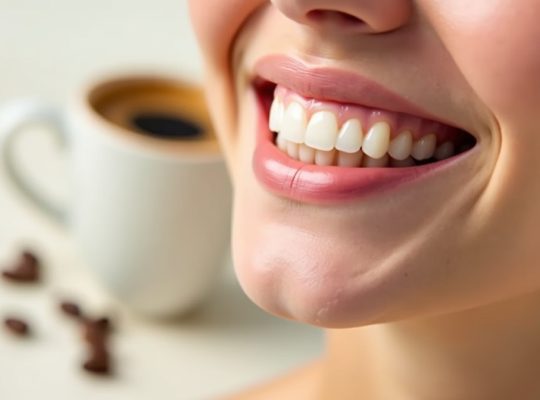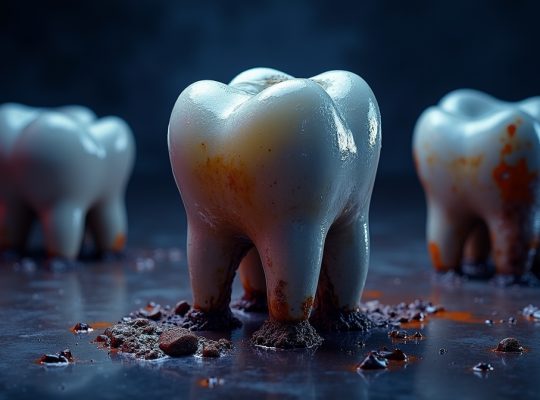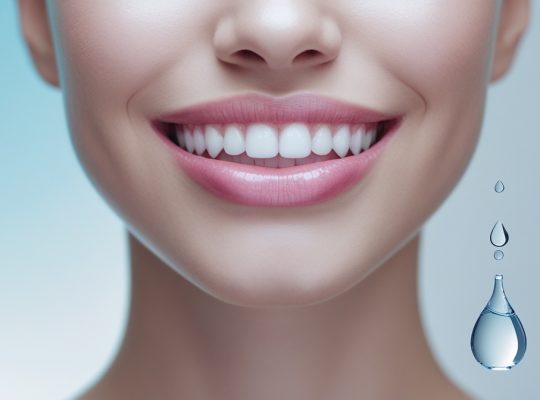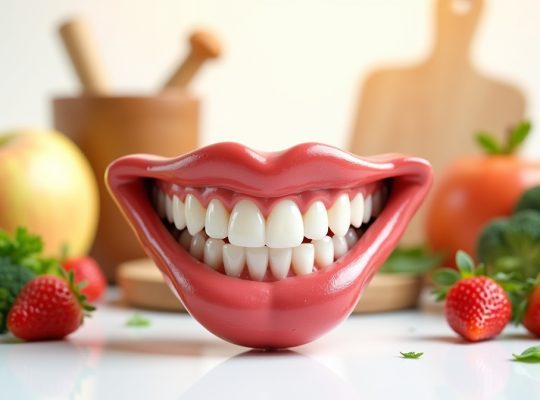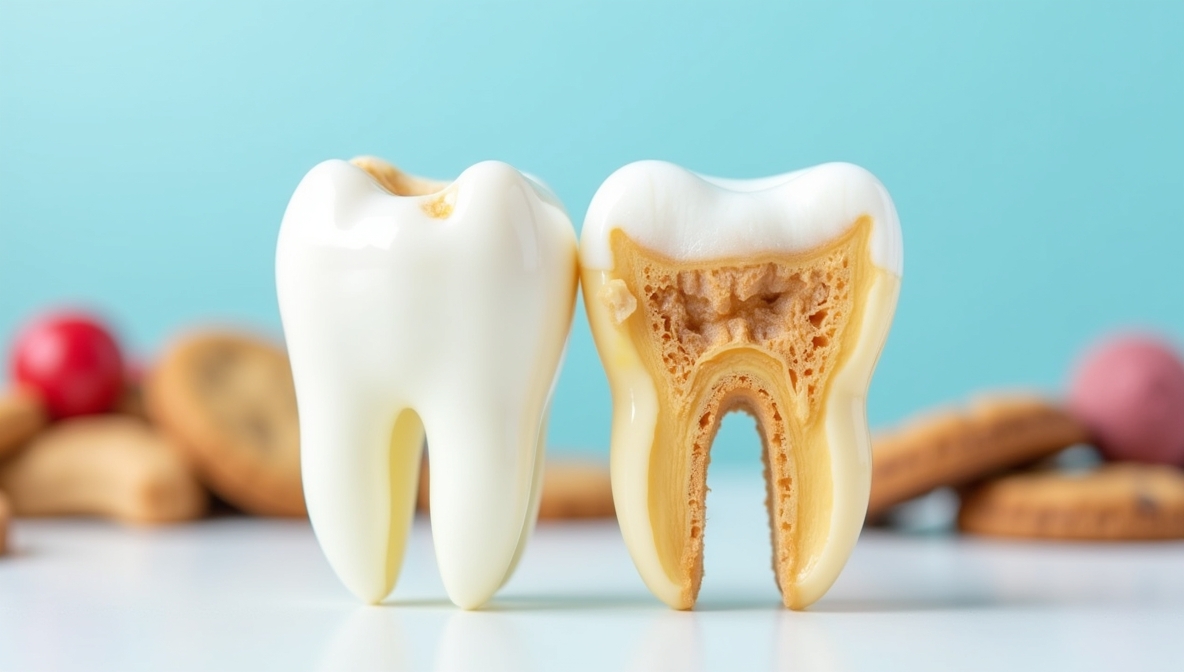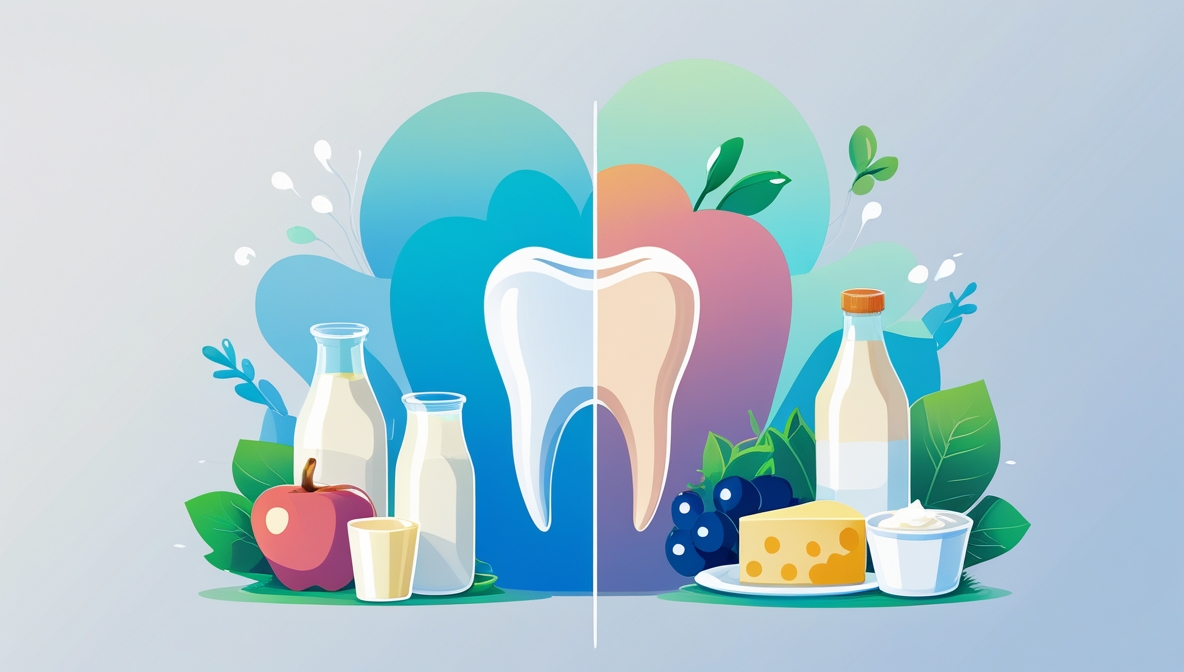
A bright, healthy smile starts with smart eating. What you put on your plate can help protect enamel, support strong gums, and keep breath fresh. At NZDHA.co.nz we blend nutrition and oral health to give you practical, evidence based guidance. In this article you will find foods that improve oral hygiene, how they work, and simple ways to weave them into your everyday meals. Think of your diet as a partner to brushing and flossing, not a substitute. Let us show you how to fuel your mouth for healthier teeth and a happier you.
What makes a food good for teeth
Choosing foods with your oral health in mind comes down to a few key factors. When you understand these you can make smarter choices without sacrificing flavor.
- Minerals that strengthen enamel: Calcium and phosphorus help remineralize tooth surfaces after acids from foods and drinks. Dairy products and certain seeds provide these minerals in a form your body can absorb.
- Vitamin D for mineral absorption: Vitamin D helps your body use calcium effectively, supporting both teeth and jawbone health.
- Gum health and vitamin C: Adequate vitamin C supports healthy gums by aiding collagen production and reducing the risk of gum inflammation.
- Saliva stimulation and texture: Crunchy fruits and vegetables promote saliva flow, which helps wash away food particles and neutralize acids.
- Fiber and water content: Foods with fiber clean teeth as you chew. Water helps rinse the mouth and dilutes acids.
- Casein and dairy proteins: Casein in dairy products creates a protective film on enamel that can reduce acid attacks.
- Sugar and acid awareness: Limiting added sugars and choosing low acid options can reduce enamel erosion and decay risk.
With these principles in mind, you can build meals that support oral hygiene while still enjoying taste and variety.
Top foods for oral hygiene
Below are food groups and examples that consistently support teeth and gums. Each section explains why it helps and offers simple ways to include it in your day.
Cheese and dairy
Cheese, yogurt, and milk are classic allies for dental health. They provide calcium and phosphorus for enamel repair and can help raise saliva pH after meals.
- Why it helps: Dairy supplies minerals that reinforce tooth structure. The protein casein in dairy products forms a protective film on enamel.
- How to include it: Have a small slice of cheese after meals, add yogurt to smoothies, or enjoy a glass of milk with breakfast. Choose plain or lightly sweetened yogurt to avoid excess added sugars.
Yogurt and kefir
Fermented dairy options like yogurt and kefir bring probiotics and calcium to the table. They can support digestion and overall oral health by promoting a balanced mouth environment.
- Why it helps: Probiotics may influence the oral microbiome in positive ways. Calcium and protein support enamel and gum tissue.
- How to include it: Swap dessert for a yogurt cup with fresh berries, or blend kefir into smoothies for a tangy, creamy base.
Milk
Milk is a versatile source of calcium and vitamin D, which work together to promote strong teeth and bones.
- Why it helps: Regular intake supports bone density and gives teeth the minerals they need for maintenance.
- How to include it: Enjoy a glass with your breakfast cereal or mix a splash into coffee or oatmeal.
Crunchy fruits and vegetables
Textured produce acts like a natural brush and increases saliva flow, which helps flush away food particles and bacteria.
- Why it helps: Crunchy textures stimulate saliva and provide fiber that cleans teeth surfaces during chewing.
-
How to include it: Keep apples, cucumbers, carrots, and celery handy as snacks or as add ins to salads and meals.
-
Examples: Apples, carrots, celery, bell peppers.
Leafy greens and broccoli
Leafy greens such as spinach and kale, along with broccoli, are nutrient dense and low in sugar. They supply calcium and folate while supporting gum health.
- Why it helps: They offer minerals while adding to daily fiber intake.
- How to include it: Use a base of greens in salads, smoothies, or wraps; incorporate steamed broccoli into dinners.
Nuts and seeds
Nuts and seeds deliver healthy fats, protein, and minerals such as calcium and phosphorus.
- Why it helps: They supply minerals critical for enamel and bone support, and they make for satisfying, tooth friendly snacks when unsugared.
- How to include it: Snack on a small handful unsalted, add flax or chia seeds to yogurt or oats, or use almond meal in baking.
Fatty fish
Fatty fish like salmon and sardines bring vitamin D and omega 3s, which support overall health including gum tissue.
- Why it helps: Vitamin D enhances calcium utilization, while omega 3s help reduce inflammation.
- How to include it: Aim for 2 servings per week, prepared grilled or baked, and toss into salads or bowls.
Whole grains
Whole grains provide fiber and minerals without a lot of added sugars, supporting steady energy and low enamel risk from refined carbs.
- Why it helps: Complex carbohydrates break down more slowly and do not spike acid production the way sugary snacks do.
- How to include it: Choose whole grain bread for sandwiches, brown rice or quinoa as side dishes, and oats for breakfast.
Green tea and herbal tea
Green tea contains polyphenols that can help reduce bacteria associated with tooth decay, while most herbal teas add flavor without sugar.
- Why it helps: Antibacterial and anti inflammatory properties can support oral health.
- How to include it: Swap sugary beverages for tea, enjoy without added sugar, or use tea as a flavorful rinse after meals if needed.
Water and hydration
Hydration is a cornerstone of oral hygiene. Water helps rinse the mouth, stimulate saliva, and dilute acids.
- Why it helps: Proper hydration supports saliva production which is essential for naturally cleaning and protecting teeth.
- How to include it: Hydrate throughout the day; sip water with meals and carry a bottle for on the go use.
Sugar free gum and xylitol
Chewing sugar free gum after meals can boost saliva flow, and xylitol may reduce harmful bacteria.
- Why it helps: Increased saliva helps neutralize acids and wash away particles; xylitol may lower caries risk when used regularly.
- How to include it: Choose gum with xylitol as a post meal option if you need a quick mouth refresh.
Foods to limit or avoid
To protect your smile, balance is key. Some foods and habits can increase decay risk or irritate gums.
- Added sugars and sticky candies: These cling to teeth and feed cavity causing bacteria.
- Acidic beverages and fruit juices: They can erode enamel over time.
- Refined carbohydrates: White bread, pastries, and crackers can become sticky and promote acid production.
- Frequent snacking without rinsing: Constant sugar exposure lets bacteria produce acid continuously.
- Highly caffeinated or alcohol heavy drinks in excess: These can dry the mouth if not balanced with water.
Moderation is not about deprivation; it is about pairing indulgences with protective foods and good habits like brushing twice daily and flossing.
How to build a daily oral health friendly meal plan
A practical plan helps you translate these tips into everyday life. Use this as a starting point and customize for your preferences and dietary needs.
- Breakfast ideas
- Oatmeal topped with berries and a sprinkle of almonds
- Scrambled eggs with spinach and a slice of whole grain toast
- Plain yogurt with sliced apple and a drizzle of honey
- Lunch ideas
- Turkey and veggie wrap with leafy greens and cucumber
- Quinoa bowl with salmon, broccoli, and avocado
- Lentil soup with a side of whole grain bread
- Snacks that protect teeth
- Apple slices with a small cheese stick
- Carrot sticks with hummus
- A handful of mixed nuts and a piece of fruit
- Dinner ideas
- Grilled chicken with roasted vegetables and quinoa
- Baked fish with steamed greens and brown rice
- Stir fry with tofu, broccoli, and bell peppers over whole grain noodles
- Hydration and beverages
- Water with meals and throughout the day
- Unsweetened tea as an alternative to sugary drinks
- After meal routines
- Rinse with water or brush after meals if brushing is not feasible soon after eating
- Chew sugar free gum if you cannot brush right away and the gum contains xylitol
If you prefer a structured plan, you can rotate these ideas weekly. The key is to prioritize calcium rich items, fiber rich produce, lean proteins, and water. Keep sugary snacks limited to occasional treats and pair them with protective foods like cheese or yogurt to help minimize enamel exposure to sugar.
Special populations and considerations
Nutrition and oral health can vary for different groups. A few considerations can help you tailor your eating habits for better oral hygiene.
- Kids and teens: Encourage crunchy fruits and vegetables as snacks to replace candy. Include dairy options for calcium and vitamin D to support growing teeth.
- Pregnant individuals: Maintain good hydration and focus on nutrients that support tooth and gum health, such as calcium, vitamin D, and vitamin C.
- Older adults: If dry mouth is an issue, emphasize sugar free gum with xylitol and hydration. Choose calcium rich and easily digestible foods and monitor medications that reduce saliva.
- Medications and conditions: Some medicines cause dry mouth or affect mineral balance. Discuss these with your healthcare provider and adapt the diet to counterbalance these effects with water, sugar free options, and mineral rich foods.
- Dental work and special needs: After dental procedures you might need softer foods or more frequent hydration. Plan meals that provide calcium and protein without being overly tough to chew.
Frequently asked questions
How often should I eat for oral health
Eating balanced meals that combine protein, fiber and dairy helps minimize acid attack on teeth. Regular meals with healthy snacks in between is better than continuous grazing on sugary foods.
Do supplements improve oral health
Most people get the minerals they need from a well balanced diet. Supplements may be helpful in certain situations such as limited dairy intake or diagnosed deficiencies, but they should not replace a varied diet. Always discuss supplements with a healthcare professional.
Can I still enjoy sweets
Yes, in moderation. Pair sweets with protective foods like cheese or yogurt to help neutralize acids and provide calcium that supports enamel. Practice good oral hygiene after indulging.
What role does water play
Water is essential for saliva production and mouth cleaning. Staying hydrated helps wash away food particles and reduces the impact of acids on enamel.
About NZDHA and oral health
NZDHA.co.nz is dedicated to promoting dental health through nutrition and smile psychology. We believe that an informed approach to your meals can support your oral hygiene in meaningful ways. By combining practical nutrition tips with evidence based guidance, we help you make choices that feel good and protect your smile for life.
Putting it all together
Improving oral hygiene through nutrition is about consistency and smart choices. A daily routine that emphasizes calcium rich foods, crunchy produce, lean proteins, and abundant water can make a real difference over time. Remember to limit added sugars and acidic beverages and to maintain regular brushing and flossing as the foundation of your oral care. With the right foods in your diet, you give your teeth and gums what they need to stay strong, healthy, and radiant.
If you would like more personalized recommendations based on your health needs, lifestyle, or family dynamics, the NZDHA team is here to help. Reach out for guidance on creating a nutrition plan that supports your oral health goals and complements your dental care routine. Your healthiest smile starts with what you choose to eat today.